
1
1
Premium camera backpack with FlexFold dividers
Peak Design Everyday Backpack 30L V2
Prime
The Good
- FlexFold dividers
- Weatherproof
- Quick side access

Free returns•Fast shipping
We compared camera bags, tripods, and accessories using manufacturer specs, professional reviews, and owner reviews to find the gear that protects equipment and improves travel photography. Here are our picks for every budget.
FlexFold dividers adapt to any camera setup. Weatherproof shell with quick side access for lens changes on the move.
Why we chose it: One of the few bags that works equally well for a full mirrorless kit and a laptop-only travel day.
Check Price on Amazon
Aluminum travel tripod that folds to 15.7 inches with a 17.6 lb load capacity and included ball head.
Why we chose it: Professional stability for much less than carbon fiber options. The twist locks are faster than flip locks in cold weather.
Check Price on Amazon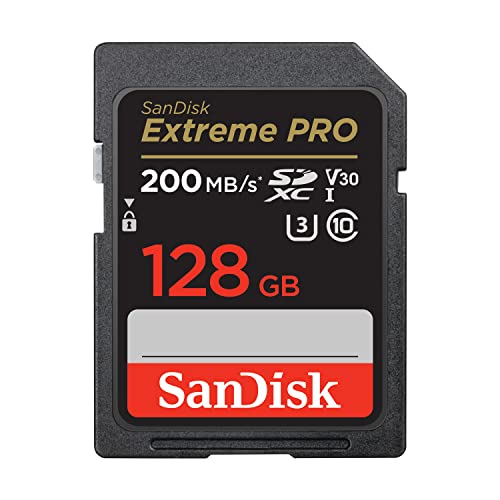
200MB/s read speed handles 4K video and burst shooting. Shockproof, temperature-proof, and waterproof.
Why we chose it: Every photographer needs backup storage. This is an inexpensive gift that prevents the worst-case travel scenario: running out of space.
Find on AmazonA good camera bag is the single most important piece of gear for a traveling photographer. It needs to protect thousands of dollars of equipment, provide quick access for spontaneous shots, and remain comfortable during long walking days.

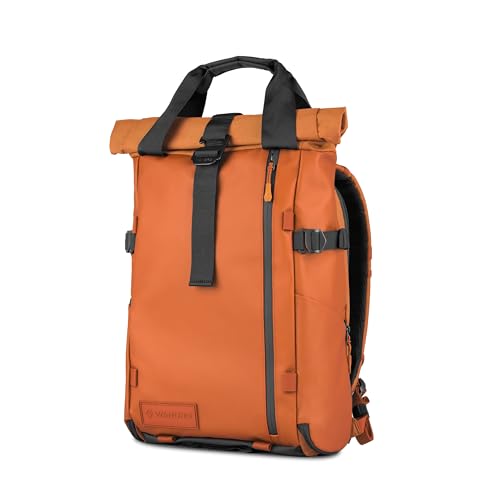
The PRVKE 31L V4 roll-top backpack. It expands from 31L to 35L and has side camera access, a clamshell opening, and a hidden passport pocket. WANDRD's camera cube, which holds the camera gear, is sold separately.
The FlexFold divider system is what sets this bag apart. Unlike rigid camera inserts that waste space, these origami-style dividers fold flat when you don't need them and create custom compartments when you do. That means one bag can carry a full mirrorless kit (body + 3 lenses + flash) one day and a laptop-only setup the next.
The dual side-access zippers let you pull out a camera body without taking off the bag — critical for street photography where moments disappear in seconds. At 3.3 lbs empty, it's not the lightest option, but the weatherproof 400D nylon shell is worth the weight when it rains. The MagLatch top closure is faster than any zipper, though it takes some getting used to.
If your photographer shoots in rain, dust, or mud, the WANDRD PRVKE is the safest choice. The roll-top closes over a waterproof tarpaulin and 1680D ballistic nylon shell, and the zips are weather-resistant.
The camera gear goes in a removable WANDRD camera cube, sold separately. Take it out and the PRVKE becomes a regular travel backpack for non-photography days. The main trade-off is access speed: the roll-top is slower to open than a zip top, though the side camera access and clamshell opening help.

Lightweight camera backpack with rear access panel
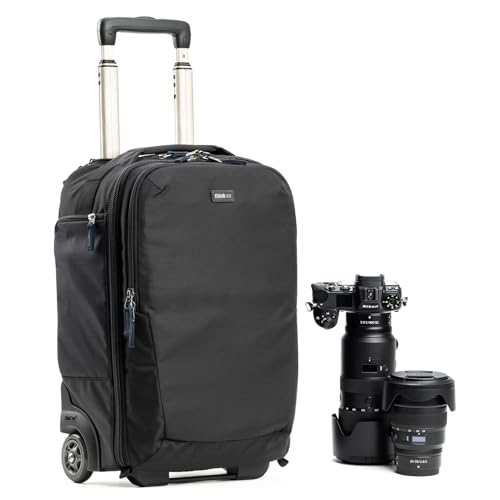
Compact camera backpack designed for airline carry-on
Detailed analysis of our top recommendations, drawn from professional reviews, owner reviews, and manufacturer specs.
The most versatile camera bag on the market—equally at home shooting street photography in Tokyo or hiking through Patagonia.
The Peak Design Everyday Backpack 30L V2 solves the fundamental problem with camera bags: they force you to choose between gear access and everyday usability. The FlexFold divider system is the breakthrough here. Each divider folds in two directions to create shelves, walls, or flat surfaces, meaning you can reconfigure from "two bodies and four lenses" to "one camera plus three days of clothes" without removing anything permanently.
The dual side-zip access is what separates this from competitors in real travel scenarios. You can swing the bag to your hip on a crowded Bangkok street, unzip the side panel, grab your camera, and shoot—without setting the bag down or exposing the main compartment to pickpockets. The MagLatch top closure is one-handed and silent, which matters more than you'd think when shooting wildlife or in quiet temples.
Where the Everyday Backpack stumbles is carrying comfort on long hauls. The shoulder straps are thinner than dedicated travel packs, and there's no hip belt (an optional one exists but adds bulk). For a 45-minute walk between metro stations with a full mirrorless kit, it's fine. For a 6-hour trek to a viewpoint, you'll feel the weight. The premium price is also hard to swallow until you realize this bag genuinely replaces both your camera bag and your travel daypack—something few other camera bags manage as convincingly.
FlexFold dividers transform the interior in seconds
The origami-inspired dividers fold in two directions, letting you switch from a full camera loadout to a mixed travel/camera configuration without removing anything permanently.
Dual side access keeps gear secure on busy streets
Both side panels zip open independently, giving you camera access without opening the top or exposing the main compartment. The zippers open just wide enough for a mirrorless body with a mid-range zoom attached.
Weatherproof construction handles real conditions
The 400D recycled nylon canvas has a DWR coating to shed rain. Zippers are weather-sealed. The shell fabric is built to resist scuffs and abrasion from rough stone walls and dusty trails.
Expandable capacity adapts to the day
The top MagLatch system has 4-5 liters of expansion built in. On a morning shoot, cinch it down for a streamlined profile. Heading to a night market after? Expand it to stash souvenirs and a jacket on top of your gear. This flex means you carry one bag instead of packing a separate daypack.
Shoulder straps lack padding for heavy loads
moderateThe straps are slim and stylish but noticeably less padded than dedicated travel backpacks. With a full mirrorless kit (body, 3 lenses, flash, batteries), the thin straps make long walks tiring. The optional hip belt helps but costs extra and adds bulk.
Side access openings are tight for large lenses
moderateA Sony 70-200mm f/2.8 with hood attached requires some finessing to extract through the side zip. Anything longer than about 7 inches needs the top opening. This is a minor issue if you shoot with compact primes, but a real friction point for telephoto shooters.
Price demands commitment
minorThis is among the most expensive non-professional camera bags. If you shoot casually or only bring a camera on occasional trips, a less expensive Lowepro or even a regular backpack with a camera insert cube will serve you fine. The Everyday Backpack's value only materializes if you use it as your primary daily and travel bag.
Transitions seamlessly from a morning photo walk to an afternoon of sightseeing without looking or feeling like a camera bag.
FlexFold dividers are perfectly sized for mirrorless bodies and compact lenses. Side access fits most mirrorless body+lens combos without fuss.
Slim profile doesn't attract attention, side access enables fast draws, and the bag works on public transit without taking up extra space.
Side openings struggle with lenses over 7 inches. A 100-400mm zoom requires top access, eliminating the quick-draw advantage.
No integrated hip belt and thin shoulder straps make heavy loads uncomfortable on long walks.
At this price, it's hard to justify for someone still deciding how seriously they'll pursue travel photography. A $100 camera insert in a regular backpack works fine while you figure that out.
This is expensive for a backpack but reasonable for a bag that genuinely replaces both a dedicated camera bag and a travel daypack. The lifetime warranty and build quality mean a realistic 5-8 year lifespan, which spreads the cost over many years of regular use. Worth it for photographers who travel regularly; overkill for occasional shooters.
Lifetime warranty covering manufacturing defects
The V2 addressed the V1's zipper issues. After 2+ years of heavy use, the most common wear point is the DWR coating fading on the bottom panel from being set on rough surfaces. The aluminum hardware and MagLatch mechanism show no signs of degradation in long-term user reports. Dividers maintain their fold memory well.
ProTactic has better load distribution with its actual hip belt and more configurable access points, but it's heavier, looks like a tactical bag, and doesn't work as a non-camera daypack. Everyday Backpack wins on versatility; ProTactic wins on pure camera hauling.
PRVKE's roll-top gives more expansion range and its camera cube is removable. But the roll-top is slower to access than MagLatch, and the overall organization is less refined. PRVKE is better for adventure/outdoor shooters; Everyday Backpack for urban and mixed-use.
Shimoda is the better choice for serious hiking with its superior harness and dedicated hip belt. But it's bulkier, heavier, and costs more. If you're doing backcountry work, Shimoda. For travel photography that mixes city and nature, Peak Design.
If you prioritize camera protection and load distribution over everyday versatility—better harness system at a lower price.
If you want a weatherproof roll-top bag that takes a removable camera cube (sold separately), for switching between photography and non-photography trips.
Proof that you don't need to spend $500+ to get reliable stability on the road.
The Manfrotto Befree Advanced answers the question every traveling photographer eventually asks: "How much tripod do I actually need?" For the vast majority of travel scenarios—golden hour at the Grand Canyon, long exposures on an Icelandic beach, self-timer group shots in front of the Colosseum—this aluminum tripod is enough, and carbon fiber models costing three times as much add little.
The included 494 ball head is the real standout. It's not an afterthought bundled to justify the kit price—it's genuinely smooth with predictable friction control. Locking and unlocking feels precise, and the independent panning base means you can level the horizon without disturbing your tilt angle. The twist leg locks extend and retract faster than flip locks once you develop the muscle memory, and they're less prone to snagging on bag fabric when packing.
The honest trade-offs are weight and wind performance. At 3.5 lbs, it's about a pound heavier than comparable carbon fiber options, and that pound matters at mile 8 of a trail. In wind, expect micro-vibrations in long exposures at 200mm and above, which a heavier or carbon fiber tripod would dampen better. For most travel photography, these limitations never come up. The Befree Advanced is the tripod we recommend to anyone who isn't sure they need to spend more.
Ball head quality punches above its price
The Manfrotto 494 ball head delivers smooth panning and reliable locking that we'd expect from a $150 standalone head. Independent pan lock means you can adjust horizontal framing without disturbing your vertical angle—critical for panoramas from viewpoints and architectural shots in tight city streets.
Twist locks are faster than you'd expect
The aluminum twist locks extend all four leg sections quickly once you develop the technique. Compared to flip-lock designs, they're lower-profile (less snagging when pulling from a bag), more weather-resistant (no springs to corrode), and feel more secure under load.
Folded size fits real travel constraints
At 16 inches folded, it slides into a Peak Design Everyday Backpack side pocket, straps to the outside of an Osprey Farpoint, or fits diagonally in a carry-on suitcase. This matters because a tripod that's too awkward to carry is a tripod that stays at the hotel.
Price-to-performance ratio is outstanding
At wide and standard focal lengths, which cover most travel shooting, the better vibration dampening of carbon fiber matters little. You pay about a third of the price of the Peak Design Travel Tripod Carbon for a tripod that covers the scenarios most travel photographers actually encounter.
Weight penalty versus carbon fiber
moderateAt 3.49 lbs, it's roughly a pound heavier than carbon fiber equivalents like the Peak Design Travel Tripod. On day hikes under 5 miles, this is negligible. On serious treks, like a predawn hike to a viewpoint, that extra pound in your pack or strapped to the outside becomes noticeable by the time you reach the viewpoint.
Wind vibration above 200mm focal length
moderateIn strong wind, expect micro-vibration in long exposures at 200mm and above. Hanging a bag from the center column helps, but doesn't fully solve it. If you regularly shoot telephoto landscapes in exposed, windy locations, budget for a heavier tripod or the carbon fiber version.
Leg joint play develops with heavy use
minorAfter approximately 18 months of regular use, some reviewers report slight lateral play in the leg hinges at full extension. This doesn't affect most shooting but becomes visible in long exposures at telephoto lengths. Manfrotto's service can tighten these, but it's a sign of the aluminum construction's limits versus carbon fiber.
Delivers professional-grade stability for landscapes, cityscapes, and long exposures at a price that doesn't require justifying to yourself or a partner.
At focal lengths under 100mm, the extra stability of tripods costing 3x more rarely matters. If you shoot mostly 14-70mm for landscapes and architecture, you'll never feel limited.
The included ball head means no second purchase needed. Quality is high enough that you won't outgrow it quickly, but priced low enough that upgrading later doesn't feel wasteful.
Micro-vibrations at 200mm+ in moderate wind show up in long exposures. If you regularly shoot long telephoto from exposed ridgelines or coastal cliffs, invest in carbon fiber.
At 3.5 lbs, it's a pound heavier than carbon fiber options. On multi-day hikes where every ounce is planned, that pound justifies the price premium of a lighter option.
The ball head is designed for stills. Panning is functional but lacks the dampened, smooth motion of a fluid video head. Not suitable for cinematic panning shots.
With a quality ball head included at a mid-range price, the Befree Advanced is the sweet spot of the travel tripod market. Comparable aluminum tripod-and-head kits from Gitzo or Really Right Stuff start at $500+. The Befree gives up a little top-tier performance for far less money. For most travel photographers, that's an easy trade.
2-year manufacturer warranty (extendable to 7 years with registration)
Aluminum construction is inherently durable against impacts—won't crack like carbon fiber if dropped on rocks. The twist locks and ball head maintain precision for 2-3 years of regular travel use. After that, some users report leg joint looseness that Manfrotto service can address. Not a lifetime purchase, but a solid 5-7 year investment at this price point.
Peak Design folds flatter (packed diameter), weighs a pound less, and dampens vibration better at telephoto lengths. But it costs 3x more and its proprietary head takes getting used to. For travel photographers who don't shoot long telephoto in wind, the Befree delivers most of the performance at about a third of the price.
Completely different tools. GorillaPod is more portable and versatile for mounting positions but can't match the Befree's height, stability, or load capacity. GorillaPod for vloggers, content creators, and ultra-light travelers; Befree for anyone doing serious landscape or architectural work.
Gitzo is better in every technical metric—lighter carbon fiber, tighter tolerances, smoother head, better vibration dampening. But it costs more than three times as much. The performance gap between the Befree and the Gitzo is much smaller than the price gap suggests for typical travel scenarios.
If you need the lightest possible tripod and shoot telephoto in windy conditions—worth the 3x price premium for serious landscape photographers.
If maximum portability matters more than maximum height and stability—half the weight and wraps around railings and branches for creative angles.
A feat of engineering that packs flatter than any competitor—if the premium price and unconventional head don't scare you off.
The Peak Design Travel Tripod represents what happens when industrial designers reimagine every component of a tripod from scratch. The headline feature is the packed size: when collapsed, the legs nest so tightly that the tripod's diameter is barely larger than the center column alone. It's one of the few full-size tripods that genuinely fits inside a backpack rather than strapping awkwardly to the outside. For photographers who've ever left a tripod at the hotel because it was too bulky to carry, this alone might justify the price.
The engineering goes deeper than packing tricks. The center column doubles as a phone mount. A hex wrench hides inside the leg cap. The quick-release plate and ball head are integrated into a single low-profile unit that saves height and weight. The five-section carbon fiber legs deploy smoothly and lock with a satisfying precision that cheaper tripods can't match. Every detail feels considered and purposeful—this is clearly a product designed by people who carry tripods through airports and up trails.
The catch is the ball head. Peak Design's proprietary design uses a tension-adjustment ring instead of a traditional lock knob. It works differently from every other ball head on the market, and the learning curve is real. Expect to fumble with the tension at first and accidentally unlock the ball when you meant to pan. It becomes intuitive with practice. The other catch is the price, which puts this in territory where it needs to outperform tripods that cost the same but use conventional, proven designs from Gitzo or Really Right Stuff. On pure stability, it doesn't. What it offers instead is a unique combination of portability and capability that no conventional tripod matches.
Revolutionary packed size changes how you travel with a tripod
The nested leg design collapses to a 15.4-inch tube just 3.2 inches in diameter. This fits inside the Peak Design Everyday Backpack 30L with room to spare, slides into a carry-on suitcase lengthwise, or drops into a jacket pocket if you're wearing a photography vest.
Carbon fiber dampens vibration better
Carbon fiber absorbs vibration better than the aluminum legs of the Manfrotto Befree. That is a property of the material, not a marketing claim. The difference is most visible at telephoto focal lengths in exposed conditions.
Weight savings compound over a travel day
At 2.81 lbs, it's over a pound lighter than the Manfrotto Befree aluminum. That pound matters less on a 30-minute sunset walk and more on a 3-hour predawn hike to catch first light at a national park viewpoint. Paired with a mirrorless kit, the total tripod-plus-camera weight stays under 7 lbs—genuinely manageable for all-day carries.
Hidden utility features eliminate extra accessories
The built-in phone mount replaces a separate $30 adapter. The hex wrench stored in the leg cap means one less thing in your repair kit. The hook for hanging a stabilizing weight is integrated, not an afterthought. Each feature saves a few grams and a few seconds—cumulatively, this adds up to a noticeably smoother shooting workflow.
Proprietary ball head has a genuine learning curve
significantThe tension-ring design works differently from any conventional ball head. For the first 1-2 weeks, expect to accidentally unlock when you meant to pan, over-tension the ball, and generally fumble. Experienced photographers with muscle memory from traditional heads find this more frustrating than beginners. The head works well once learned, but the transition period is real and annoying.
Price is hard to justify on specs alone
moderateThe Peak Design costs about the same as a Gitzo Traveler Series 1 that outperforms it in raw stability metrics. You're paying for the packing innovation and industrial design, not for market-leading stability. If you never struggled with tripod portability, a conventional $300-400 carbon fiber tripod delivers better value.
Five-section legs sacrifice some rigidity
minorThe five-section leg design that enables the compact fold means thinner tube diameters at full extension compared to four-section competitors. The bottom sections are noticeably thin. In calm conditions this isn't an issue, but in strong wind with legs fully extended, the lower sections can flex slightly under lateral pressure.
At 2.81 lbs with the flattest pack profile on the market, this is the only full-size tripod that doesn't feel like a compromise in a hiking pack. It disappears inside a 30L bag.
Fits inside a carry-on backpack without external strapping. No gate agent negotiations, no checked bag fees, no 'is that a weapon?' conversations at security.
Every component is purpose-designed with hidden utility. If you appreciate products where every gram and millimeter is intentional, this tripod rewards close inspection.
The proprietary tension-ring head works differently from every other ball head. If you have years of muscle memory with traditional lock knobs, the transition is genuinely frustrating for 1-2 weeks.
This costs 3x what the Manfrotto Befree does, with only a modest gain in real-world performance. The premium is for portability innovation, not stability gains.
The five-section leg design and compact head are optimized for mirrorless kits. A Canon R5 with 100-500mm (5+ lbs) pushes the stability limits in wind. Dedicated landscape tripods handle heavy glass better.
At its price, the Peak Design Travel Tripod is a tough value proposition on paper. You can get comparable stability from a $300 carbon fiber tripod. What you're paying for is the revolutionary packing size and thoughtful design details that make carrying a tripod on every trip genuinely painless. For photographers who often leave their tripod behind because it's too bulky, the value is clear. For those who don't mind strapping a tripod to their pack, the premium is hard to justify.
Lifetime warranty covering manufacturing defects
Carbon fiber legs won't corrode and resist impact damage better than you'd expect—though a hard drop onto rock can crack a leg section (not covered by warranty as accidental damage). The ball head tension mechanism and locking ring show no degradation in long-term reports. The most common complaint is the quick-release plate's rubber grip wearing smooth after 2-3 years of daily use. Replacement plates are available.
Peak Design wins on weight (-1.1 lbs), packed size (much flatter), and vibration dampening. Manfrotto wins on price (about a third of the cost), ball head familiarity, and arguably raw stability due to thicker four-section legs. If portability is your limiting factor, Peak Design. If budget is, Manfrotto delivers most of the performance.
Gitzo has a superior conventional ball head, slightly better stability at full extension, and proven multi-decade reliability. Peak Design packs dramatically flatter and includes clever utility features. Gitzo for photographers who prioritize pure performance; Peak Design for those who prioritize carrying convenience.
RRS is the stability benchmark in this weight class—stiffer legs, smoother head, better dampening. But it costs at least 50% more with a head, doesn't pack as flat, and weighs slightly more. RRS for dedicated landscape photographers; Peak Design for travel photographers who need the tripod to fit their travel style, not the other way around.
If the price is a dealbreaker, the Befree delivers most of the practical performance at about a third of the cost, with a more intuitive ball head.
If maximum portability matters more than maximum height—even lighter, wraps around objects for unique angles, and costs a fraction of the price.
A tripod transforms travel photography from snapshots to portfolio shots. The difference between a budget phone tripod and a full-size travel tripod isn't luxury — it's whether your long exposure of the Golden Gate Bridge at sunset is sharp or blurred.
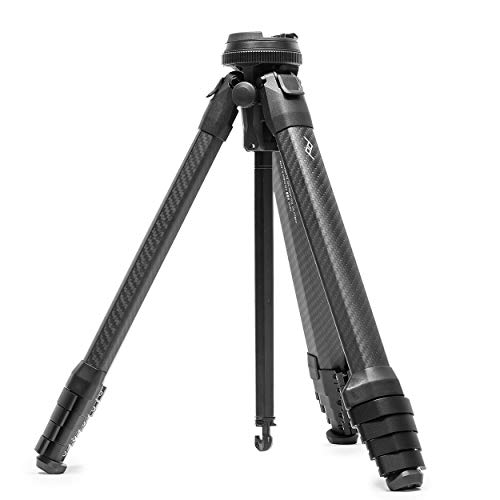
Ultra-compact carbon fiber tripod
Lightweight aluminum travel tripod with ball head
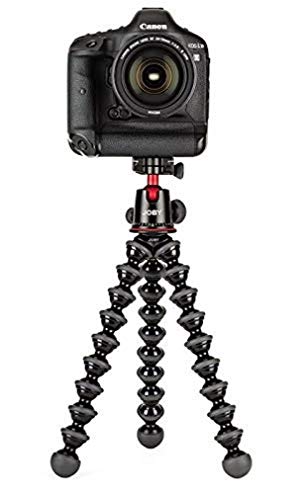
Flexible tripod that wraps around anything

Budget-friendly tripod with ball head and phone mount
The Peak Design Travel Tripod (carbon) weighs 2.8 lbs. The Manfrotto Befree (aluminum) weighs 3.4 lbs. Saving that 0.6 lb roughly triples the price. For most travel photographers, the Manfrotto is the smarter buy — you won't notice 0.6 lbs in a camera bag, and the aluminum handles impact better than carbon fiber.
Where carbon fiber wins is packed size. The Peak Design folds to a diameter barely wider than a water bottle, fitting into bag pockets that no aluminum tripod can reach. If you hike with your camera or travel with only a personal item, that compactness is worth the premium. For everyone else, put the difference toward a lens upgrade.
The accessories that experienced travel photographers carry aren't glamorous, but they prevent the problems that ruin trips: dead batteries, full memory cards, dirty lenses, and lost gear. These are the items photographers actually use every day on the road.
Professional-grade SD card with 200MB/s read speed

Waterproof micro case for SD cards, batteries, and small accessories
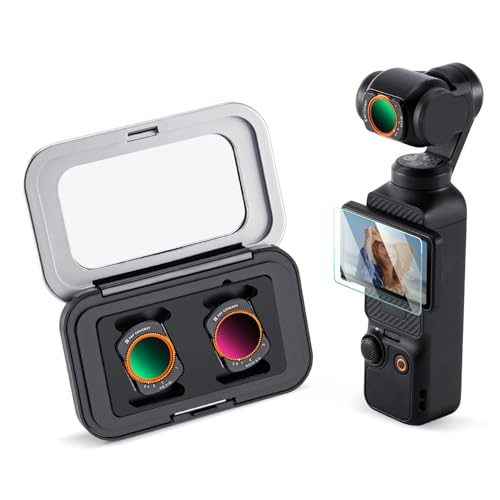
Variable ND2-ND32 filter with multi-coated glass

Premium camera strap with quick-release anchor system
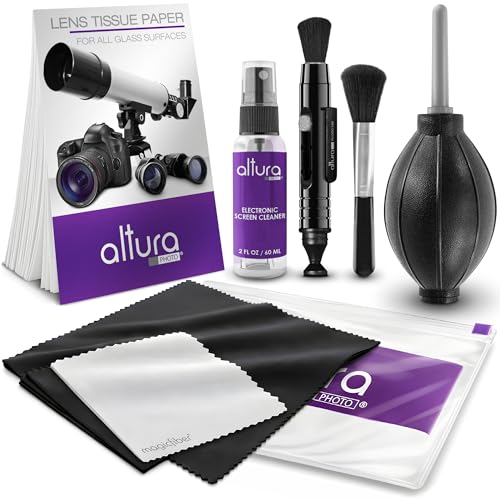
Complete camera cleaning kit with air blower and lens pen
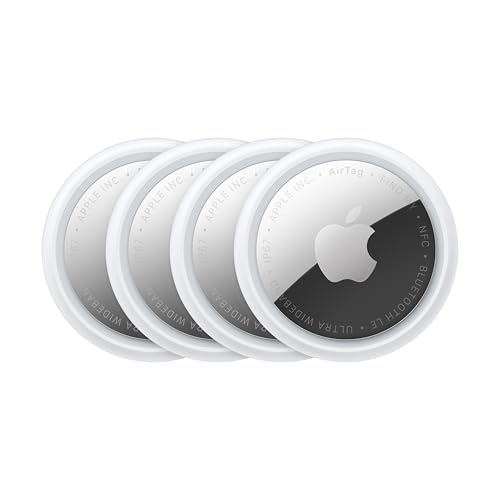
Luggage tracker for iPhone users, four tags in one pack
Camera gear gets stolen. It happens in hostels, airport lounges, and rental cars. An Apple AirTag (2nd generation) 4-pack lets you track a camera bag, tripod case, and individual lens pouches through Apple's Find My network — which works in 150+ countries with no subscription fee. Tuck one inside your camera bag's internal pocket and one in your tripod case. If a bag goes missing in transit, you'll know exactly where it is. For photographers carrying $3,000+ in gear, the cost of each tag is a small fraction of what it protects.
Always carry at least two SD cards. Not because you'll fill one (though you might during a full day in Kyoto), but because cards can fail. Spreading your shots across two 256GB cards means losing one only costs you half a day's photos, not a whole trip. Even a reliable card like the SanDisk Extreme Pro can fail, so carry the backup.
We did not lab-test the products on this page. We chose them from the manufacturers' specifications, professional reviews, and patterns in owner reviews.
Portability Assessment
How compact and lightweight the gear is for travel
Build Quality & Weather Resistance
Durability of materials and protection against the elements
Camera Protection & Stability
How effectively the product shields gear and keeps it steady
User Review Analysis
Patterns from real photographers who travel with this gear
Value Assessment
Price relative to alternatives and expected lifespan
The biggest mistake in buying photography gifts is overestimating (or underestimating) the recipient's skill level. A professional doesn't need a cleaning kit, and a beginner doesn't need a premium carbon fiber tripod. Here's how to match gear to experience:
Different types of travel photography require different gear. A street photographer in Tokyo needs speed and discretion; a landscape photographer in Iceland needs weather protection and stability.
Photography gear is heavy. A typical mirrorless setup (body + 2 lenses + tripod + accessories) weighs 8-12 lbs before you add clothes and personal items. Every ounce matters when you're navigating cobblestone streets or fitting within airline weight limits. Prioritize gear that serves multiple purposes — a camera bag that doubles as a daypack, a tripod that fits inside the bag, accessories that stack flat.
The Peak Design Everyday Backpack 30L V2 is our top pick for international travel. It fits within standard carry-on limits, has quick side access for grabbing your camera without removing the bag, and its FlexFold dividers adapt to different gear configurations. For tighter budgets, the Tenba Axis V2 24L offers rear-access security and TSA-friendly design at a noticeably lower price.
It depends on your camera weight and shooting style. A GorillaPod (like the Joby 5K) is lighter, more versatile for unusual surfaces, and easier to pack. But for landscape photography, long exposures, or cameras over 2 lbs, a traditional travel tripod like the Manfrotto Befree provides significantly more stability. If you only photograph with a mirrorless body and one lens, a GorillaPod is usually sufficient.
Never check your camera body or lenses if you can avoid it. If you must, use a hard case like a Pelican or Nanuk, wrap each item in padded dividers, and place an AirTag inside for tracking. For carry-on, a TSA-friendly camera bag like the Think Tank Airport Essentials lets you keep gear with you. Lock zippers with TSA-approved locks for hostel and transit security.
Tripods with phone mounts work for both — the Ulanzi MT-44 includes a phone adapter. Other universal gifts include: the Peak Design Slide strap (works with any camera via anchor system), SD card readers for phone backup, portable chargers for long shoot days, and the K&F Concept ND filter kit (useful once they graduate to a mirrorless camera). Cleaning kits also work for phone lenses.
For frequent travel photographers who prioritize packability, yes. At 2.8 lbs and the diameter of a water bottle when folded, it's one of the most compact full-size tripods available. The quick-deploy ball head sets up in seconds. However, the Manfrotto Befree offers most of the stability at about a third of the price. The extra money buys weight savings and compact design, not better images.
For photo-only shooting, a UHS-I card with 90MB/s write speed is sufficient. For 4K video or high-speed burst shooting, you need a UHS-II card with 250MB/s+ write speed. The SanDisk Extreme Pro (200MB/s read, 140MB/s write) handles both use cases at a reasonable price. Always carry at least two cards — spreading risk across multiple cards means losing one doesn't ruin your entire trip.
Universal accessories provide better value and flexibility for gift-giving. Tripods, bags, straps, cleaning kits, and SD cards work across all camera brands. The only items worth buying brand-specific are: lens filters (match the thread size), battery grips (camera-specific), and remote shutter releases. When in doubt, accessories like the Peak Design Anchor system work with any camera body.
Photography gear spans a wide price range, but there are good options at every level. Under $50: cleaning kit, SD card, phone tripod. $50-150: GorillaPod, camera strap, ND filter kit. $150-300: professional camera bag, travel tripod. Over $300: carbon fiber tripod. The sweet spot for most gift-givers is $50-150, which buys genuinely useful accessories.

Founder & Editor-in-Chief
Taro spent a decade in the music industry as a tour manager, crisscrossing the globe with artists and crews who demanded gear that actually worked. From overnight buses in the American Midwest to bullet trains in Japan, backstage in London to festival grounds across Europe—he's lived out of bags, cases, and carry-ons for years. That experience taught him what separates travel gear that survives the road from stuff that falls apart after one trip. Now he channels that hard-won knowledge into TravelGiftList, helping travelers find products that meet real-world demands.
Credentials