Understanding Noise Cancellation Types
Active Noise Cancellation (ANC) uses microphones to detect external sound and generates opposing sound waves to cancel it out. This is fundamentally different from passive noise isolation, which simply blocks sound through physical barriers (like thick ear cup padding).
For airplane travel, ANC is essential because it specifically targets the low-frequency engine drone (80-200Hz) that passive isolation cannot fully block. Premium headphones like the Sony XM5 use adaptive ANC that continuously analyzes ambient sound and adjusts — crucial because cabin noise changes during takeoff, cruising, and descent. Mid-range options use static ANC with fixed filtering that works well but doesn't adapt. Both are dramatically better than no ANC at all.
Battery Life: How Much Do You Actually Need?
A direct flight from New York to Tokyo is 14 hours. Add 2-3 hours at the airport and a potential layover, and you need a minimum of 20 hours of battery with ANC enabled. Every headphone in our roundup meets this threshold. The Sony XM5 (30 hours) and Sennheiser MOMENTUM 4 (60 hours) provide the most generous margins.
Quick Charge is the safety net feature to look for. The Sony XM5 adds 3 hours from a 3-minute charge, while the Sennheiser gives you 6 hours from 10 minutes. If your headphones die during a layover, a quick charge during boarding can get you through the next leg.
Comfort for Long-Haul Flights
Comfort on a 2-hour flight is different from comfort on a 10-hour flight. The factors that matter most for extended wear are clamping force (how tightly the headband squeezes), ear cup depth (whether your ears touch the drivers), and weight distribution (whether the headband creates pressure points on the crown).
The Bose QC Ultra has the lowest clamping force of any premium ANC headphone, making it our comfort pick. Weight matters too — the Sony XM5 at 250g and Bose QC Ultra at 250g are the lightest in this guide, and heavier headphones create more head fatigue over a long flight. If you wear glasses, look for headphones with softer ear pads that accommodate temple arms without increasing pressure.
Over-Ear Headphones vs. Earbuds for Travel
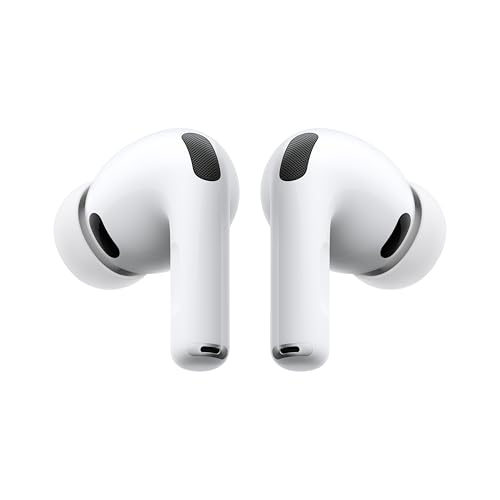
Over-ear headphones deliver stronger noise cancellation, better sound quality, and longer battery life. Earbuds are smaller, lighter, and better for sleeping on flights. The ideal travel setup is actually both — over-ear headphones for active listening and earbuds for sleeping — but if you can only pick one, choose over-ear for flights over 4 hours and earbuds for shorter trips or red-eyes where sleep is the priority.
Connecting to Airplane Entertainment
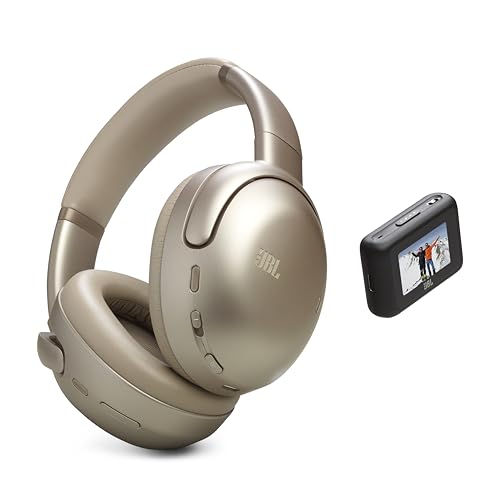
Most seatback entertainment systems still use wired 3.5mm connections, not Bluetooth. All over-ear headphones in this guide include a 3.5mm cable for wired listening, but note that some (like the Bose QC Ultra) disable ANC in wired mode. If wireless seatback audio is important, the JBL Tour One M3 Smart Tx is the only headphone in this guide sold with its own transmitter for seatback screens. Alternatively, a Bluetooth transmitter adapter ($30-50) plugs into any headphone jack and broadcasts to your wireless headphones.